Known biological mechanisms under long‑horizon selection
Human genomes already carry loci under selection: single-locus sweeps and polygenic shifts of small-effect variants, accelerating in the last ten thousand years. Many of those genes are pleiotropic: a change favoured for one trait moves others. Evo-12K uses published human variants, animal orthologs and pathway genes as constraints, and varies light, climate, habitat and fitness cost across a twelve-thousand-year horizon.


01 / 15
Exploratory · research
Fitness-costed scenarios on published loci
Evo-12K varies light regime, climate, habitat and star spectrum. A phenotype enters the scenario only if its net fitness advantage would pay its cost.
Published human loci and animal orthologs define the reference space for each scenario. Evo-12K compares pathway constraints, pleiotropy, environment and fitness cost across a twelve-thousand-year horizon; feasibility is evaluated as evidence, not assumed.




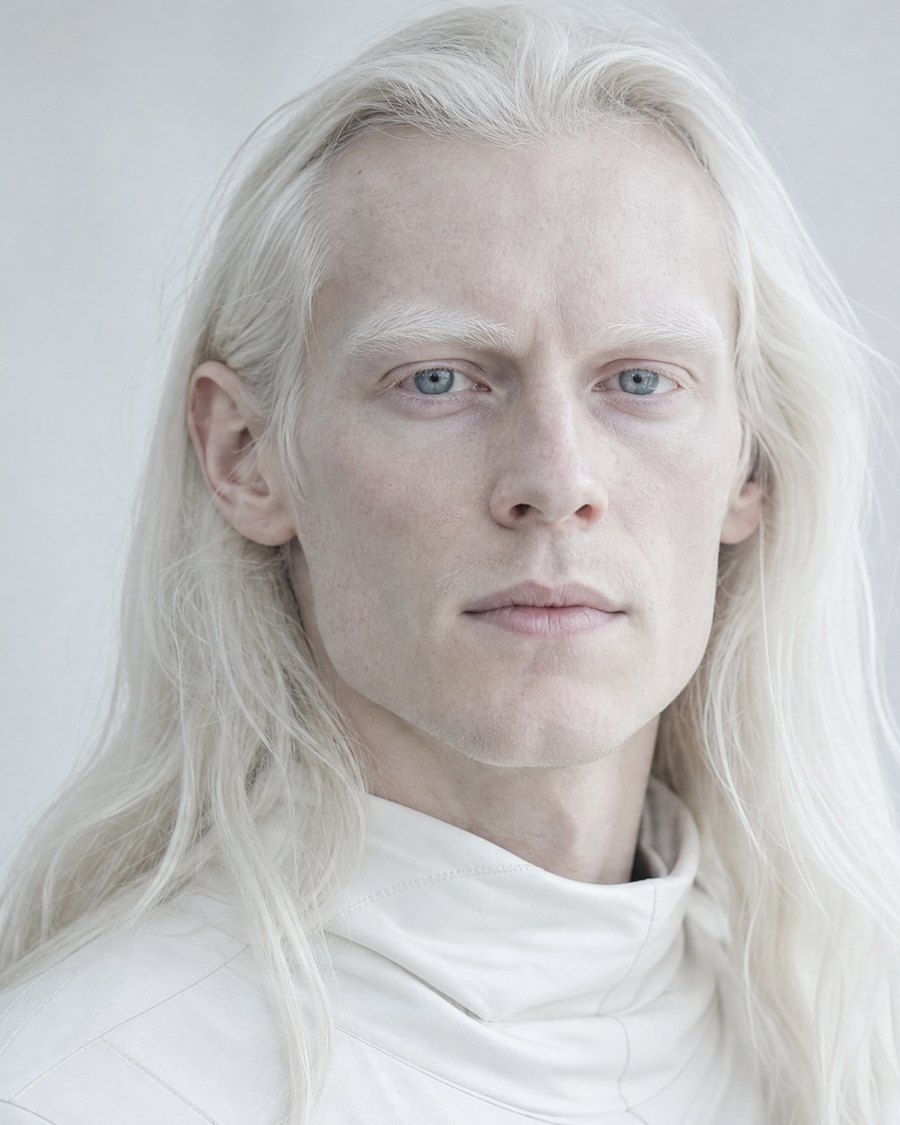
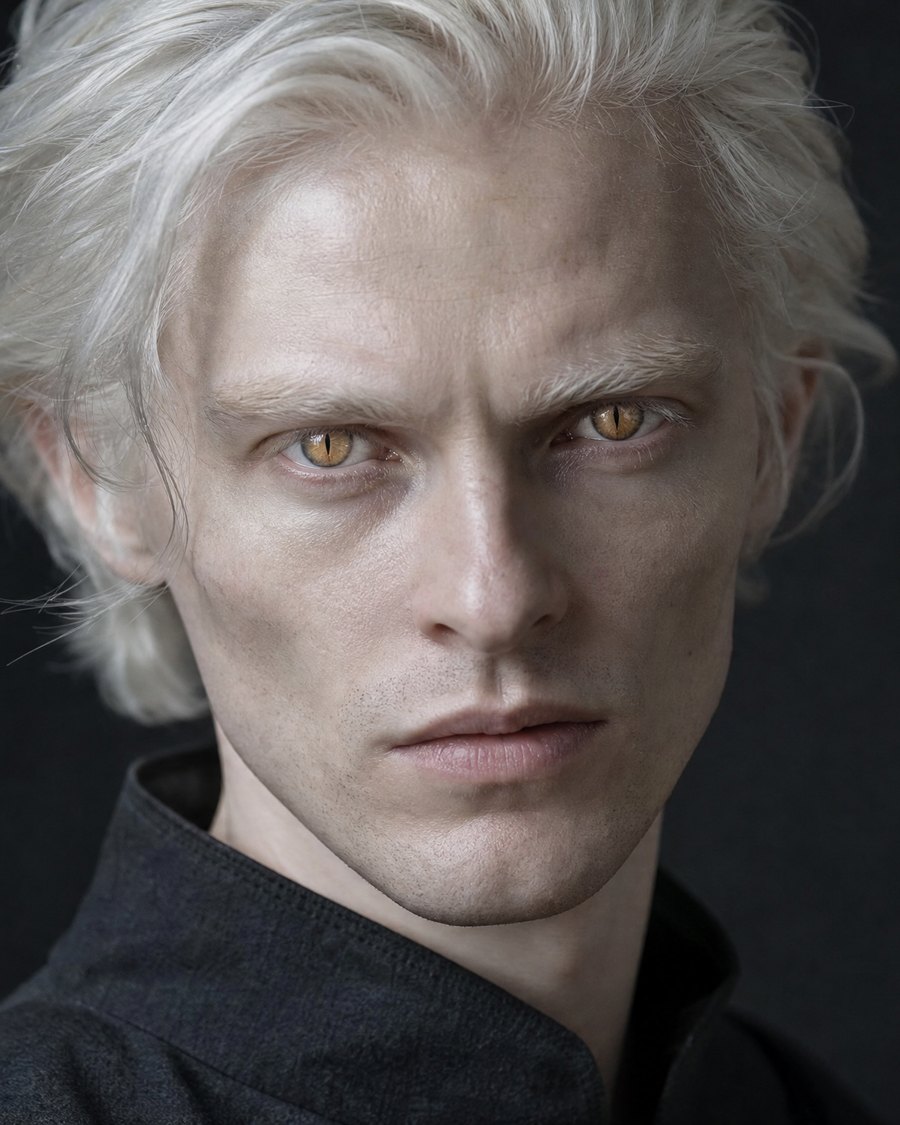


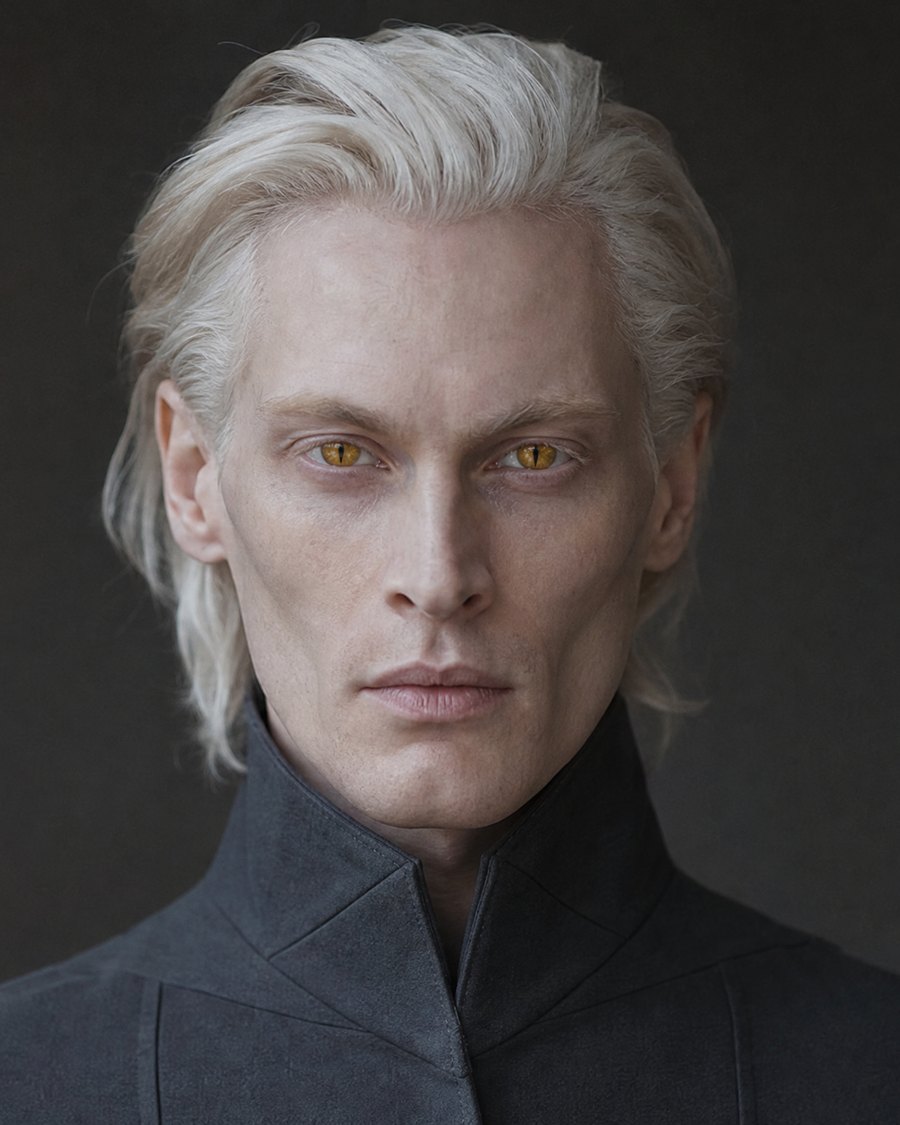
Prior evidence of selection
We analyse published evidence of genes under selective pressure in human history — single-locus sweeps and polygenic shifts of many small-effect variants. Adaptation accelerated in the last ten thousand years, after agriculture, diet, density and climate changed the selective regime; that is still human evolution. Many of those genes are pleiotropic: a variant favoured for one trait moves others with it.
 Measured associationEDAR V370A · tooth root morphologyKataoka K, Fujita H, Isa M, Gotoh S, Arasaki A, Ishida H, Kimura R · Scientific Reports 11, 5143 (2021) · doi.org/10.1038/s41598-021-84653-4 · CC BY 4.0Open source
 One ancestral chromosomeSLC24A5 rs1426654 · a skin pigmentation allele from Ireland to PakistanBasu Mallick C, Iliescu FM, Möls M, et al. · PLoS Genetics 9(11): e1003912 (2013) · doi.org/10.1371/journal.pgen.1003912 · CC BY · sea desaturated from the originalOpen source
 Frequency tracks climateTRPM8 rs10166942 · a cold response variant, 5% in Nigeria to 88% in FinlandKey FM, Abdul-Aziz MA, Mundry R, et al. · PLoS Genetics 14(5): e1007298 (2018) · doi.org/10.1371/journal.pgen.1007298 · CC0 · cropped to panel AOpen source
 Ancient DNA reveals pervasive directional selection across West EurasiaAkbari et al. · Nature 654, 419–428 (2026)Open source
 Microcephalin, a gene regulating brain size, continues to evolve adaptively in humansEvans et al. · Science 309(5741), 1717–1720 (2005)Open source
 Ongoing adaptive evolution of ASPM, a brain size determinant in Homo sapiensMekel-Bobrov et al. · Science 309(5741), 1720–1722 (2005)Open source
Written for people who already publish in the field
Population genetics, evolutionary biology, comparative morphology. Selection, polygenic architecture and pleiotropy are the prior; the portraits are a modelling surface on that literature.
- 01
Population geneticists
- 02
Evolutionary biologists
- 03
Comparative morphologists
- 04
Human evolutionary genomicists